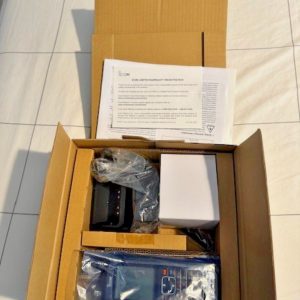
:::writingvariant="document" id="58314" ICOM IC-A25N Handheld NAV/COM Transceiver w/ Bluetooth – Open Box: Professional Aviation Backup Radio The ICOM IC-A25N Handheld NAV/COM Transceiver w/ Bluetooth – Open Box is a versatile communication and navigation device for pilots, flight instructors, aircraft operators, aviation students, and ground personnel who require dependable portable radio capability. An open-box unit can provide excellent commercial value when the radio, battery, antenna, charger, documentation, and included accessories remain complete and in suitable condition. The ICOM IC-A25N Handheld NAV combines practical portability with features intended to support situational awareness and reliable aviation operations. The ICOM IC-A25N Aviation Radio offers portable flexibility for aircraft owners who do not want to rely exclusively on panel-mounted communication equipment. The ICOM IC-A25N Handheld Radio can be carried conveniently in a flight bag, stored as backup cockpit equipment, used during preflight activities, or assigned to aviation personnel who require portable communication. A capable Handheld NAV/COM Aviation Transceiver provides pilots with an integrated solution that can be stored conveniently and accessed quickly. Whether the requirement is a Handheld Aviation Radio, Aviation NAV/COM Radio, Pilot Handheld Radio, or Aircraft Communication Radio, buyers should review package condition, included accessories, battery health, and operational compatibility before purchase. As an Aviation Communication Device, the radio can provide portable support for cockpit, training, emergency, and ground environments.
Overview of the ICOM IC-A25N Aviation Radio
The ICOM IC-A25N is designed to provide aviation communication and navigation-related functionality in a portable enclosure suitable for cockpit, ramp, hangar, training, and emergency use. The device may help pilots reduce equipment clutter by integrating several useful capabilities into one flight-bag-friendly radio. The radio may perform very effectively in some environments while experiencing reduced range inside certain aircraft or buildings. Operators should include the radio in normal equipment checks so batteries, accessories, and settings remain ready for use.Using the ICOM IC-A25N Handheld NAV
The navigation-oriented functions can complement normal cockpit planning when used within their intended purpose and understood limitations. Flight schools can use portable radios to support classroom discussions, ramp communication, operational demonstrations, and backup planning. Users should understand which functions are intended for reference, communication, navigation support, training, or emergency use. A complete preflight review can confirm that the radio is charged, configured, accessible, and ready to support the planned operation.ICOM IC-A25N Aviation Radio for Pilots
Aviation professionals can carry the IC-A25N when moving between aircraft instead of depending entirely on equipment installed in one cockpit. Pilots attending fly-ins or traveling through unfamiliar airports may appreciate having portable access to communication frequencies. A complete written inventory helps purchasers compare the open-box price with the cost of replacing missing accessories separately. The best purchase decision combines condition evidence, package completeness, seller credibility, secure payment, and documented delivery terms.ICOM IC-A25N Handheld Radio Portability
A compact radio can remain in a flight bag alongside headsets, charts, flashlights, batteries, and other essential pilot equipment. The antenna should be protected from bending or crushing while the radio is transported with other equipment. Users can review the interface in a quiet environment rather than learning controls during engine operation or busy airport activity. A portable radio should not be left in extreme heat, direct sunlight, freezing conditions, or damp environments for extended periods.Handheld NAV/COM Aviation Transceiver Benefits
The integrated format can reduce the need to carry separate handheld receivers for several common aviation tasks. An open-box package may represent strong value when it includes the equipment required for immediate setup and normal use. The radio should be inspected before every important flight for battery charge, antenna security, control response, display condition, volume setting, and physical damage. Regular care supports reliable operation, protects resale value, and reduces the risk of missing components.Handheld Aviation Radio Applications
A handheld aviation device can support monitoring and communication activities from the cockpit, ramp, hangar, or operations office. Regular practice and maintenance turn a handheld device into meaningful backup equipment rather than an unverified accessory. Radio performance can be affected by aircraft structure, cockpit location, antenna orientation, terrain, buildings, interference, weather, and distance. Professional radio discipline includes listening carefully, transmitting clearly, using appropriate terminology, and keeping messages relevant.Aviation NAV/COM Radio Functions
An Aviation NAV/COM Radio gives pilots portable access to communication and navigation-support features that may complement installed cockpit avionics. Important features should be practiced on the ground before the radio is used during high-workload phases of flight. Users should distinguish between convenience features, backup capability, training value, and equipment required for a particular flight. Before departure, pilots should confirm that the radio is charged, correctly configured, securely stored, and easy to reach.Pilot Handheld Radio for Flight Operations
A Pilot Handheld Radio offers flexibility to aviation professionals whose work involves several aircraft, airports, and operational environments. Pilots should decide before departure where the radio will be located and how it will be retrieved during an abnormal situation. Training may also include using the radio with gloves, in reduced light, with a headset, or in a noisy cockpit environment. Pilots may consider carrying an appropriate backup power option when supported by the equipment and mission requirements.Aircraft Communication Radio Benefits
An aircraft communication device can support maintenance coordination, ground handling, training activities, and operational monitoring where appropriate. Professional communication practices improve the effectiveness of both installed and handheld radios. A portable radio may operate differently from the aircraft’s main communication system because antenna size, antenna position, output, and cockpit shielding can affect performance. Users should stop relying get more info on the unit if it displays intermittent function or unexplained shutdowns until the concern is resolved.Portable Aviation Transceiver Advantages
The device can support airport ground activities, remote-airfield operations, aircraft inspections, maintenance coordination, and flight preparation. The owner should keep the package organized so no essential component is missing when the radio is needed. Bluetooth capability can improve convenience by supporting compatible wireless audio arrangements and reducing the number of cables around the pilot or operating area. Wireless convenience should not replace disciplined equipment checks and familiarity with standard radio controls.Aviation Communication Device Applications
The ideal device balances functionality with an interface the user understands and can operate confidently. Open-box equipment should be compared carefully with new and used alternatives because condition, warranty, packaging, and completeness may vary. Professional users may maintain records of radio assignment, charging, inspections, damage, accessory inventory, and battery replacement. A well-managed Aviation Communication Device can support efficient and dependable operations across many aviation roles.Maintaining a Handheld Aircraft Radio
Flight instructors can carry the radio during aircraft walkarounds, ramp exercises, and selected student-training activities. Using the radio on the ground can preserve aircraft battery power and reduce the need to energize installed avionics solely for monitoring or coordination. The pilot should route headset cables or charging leads carefully and avoid creating loops that can snag controls or occupants. The radio should be cleaned only with suitable methods that do not damage the display, housing, seals, labels, or controls.Aviation Navigation Radio Benefits
Navigation functions can add value during training, planning, route familiarization, and backup preparation when used appropriately. The radio should be configured on the ground whenever possible instead of during high-workload cockpit operations. Portable functions are most useful when they complement rather than replace disciplined aviation decision-making. Careful preparation allows an Aviation Navigation Radio to provide practical value without increasing cockpit workload unnecessarily.ICOM Pilot Radio Applications
Pilots may choose an ICOM Pilot Radio because they want one familiar handheld device for training, travel, cockpit backup, and ground operations. Brand reputation should be considered alongside the condition and completeness of the specific unit being purchased. Aviation students may prioritize ease of learning, while experienced pilots may focus on backup capability, portability, and integration. A protective case and consistent charging routine can help preserve the equipment and prevent missing accessories.Choosing an Emergency Aviation Radio
An Emergency Aviation Radio can provide an additional communication option when installed aircraft equipment becomes unavailable because of electrical, equipment, or operational problems. The radio should be positioned where it can be reached without searching through baggage during an urgent situation. Bluetooth or wired audio arrangements should be tested before flight and should not be assumed to work automatically during an emergency. Emergency equipment checks can be scheduled with annual inspections, proficiency reviews, seasonal preparation, or flight-bag audits.Choosing a Backup Aircraft Radio
A portable radio may also support communication when an aircraft is on the ground with its electrical system disconnected or undergoing avionics maintenance. Pilots should confirm charge status, antenna attachment, audio output, Bluetooth pairing, memory organization, and accessibility. A dedicated flight-bag pocket, protective mount, or secured cockpit storage area may provide suitable access. Backup planning should also consider how the aircraft will be flown, navigated, and managed while the pilot is using the portable radio.Evaluating an Open-Box Aviation Radio
Buyers should review the radio body for scratches, cracks, missing labels, damaged controls, loose components, or wear around frequently handled areas. Missing accessories can increase final cost and may prevent the radio from being used as expected immediately after delivery. Battery behavior should be observed for unusual heat, rapid discharge, charging failure, physical swelling, or poor connection. The radio should be protected from impact, moisture, static, loose movement, and pressure during transportation.Maintenance and Long-Term Radio Care
A professional handheld transceiver should be managed as aviation equipment rather than treated like an ordinary consumer radio. Occasional-use radios should still receive periodic checks because batteries and electronic components can deteriorate during inactivity.- Confirm that the device powers on, responds correctly, holds charge, produces clear audio, and remains properly configured.
- Verify frequency settings, memory organization, Bluetooth pairing, audio routing, volume, squelch, navigation functions, and battery status during preflight preparation.
- Use a protective case or dedicated flight-bag compartment so the radio remains accessible, complete, and free from damage.